YOUR CART
- No products in the cart.
Subtotal:
€ 0




Photography:
Todd Stewart
Texts:
Robert Bailey
Design:
Rob van Hoesel
Lithography:
Sebastiaan Hanekroot
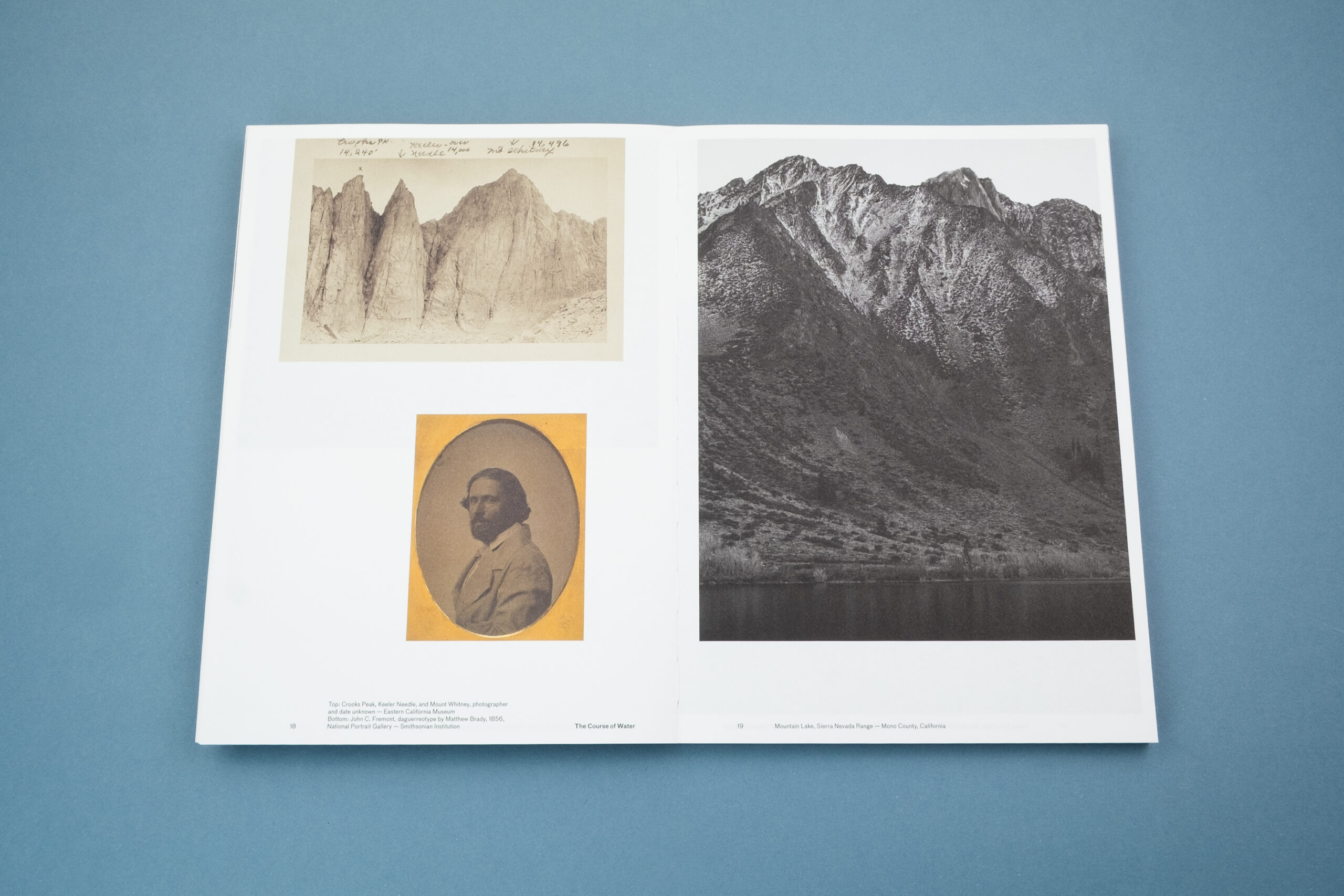
The Course of Water – Fieldnotes from California’s Owens Valley explores the environmental and social histories of California’s Owens Valley by attending to the implications of its peculiar hydrology. A stolen river, a dry lake kept wet, Sierra snowmelt, turquoise springs: water takes strange paths in this desert landscape, rerouted by the lives of the people – Indigenous, settler, internee – who have called it home.
At the turn of the twentieth century, a lack of water resources threatened to stall the growth of Los Angeles. The city began diverting water from the Owens River – over 200 miles away – culminating in the construction of the Los Angeles Aqueduct in 1913. This led to the eventual desiccation of Owens Lake and much of the surrounding valley. To date, Los Angeles has spent billions of dollars mitigating carcinogenic dust by transforming the dry lakebed into a wetland.
To represent the allusive richness of natural and human flows in the Owens Valley, Todd Stewart (US) pairs his photographs of the region with select archival images, creating a complex visual map that the writing and notes of Robert Bailey (US) further deepen. What emerges is an occasion for viewers and readers to navigate thematic currents that intersect like the natural and artificial channels of this singular watershed.
Stewart’s photographs depict this human-made landscape and its sustaining infrastructure as a dizzying knot of connected waterways. Other images touch on the contested meaning of water in the valley: a stark presentation of an Eastern Mono water basket; orchards planted by Japanese people interned during World War II. In the background, the region becomes a stage – movie stars shooting in the nearby Alabama Hills and Édouard Manet depicting their namesake, the Confederate ship Alabama, sinking during the United States’ first Civil War.
The Course of Water offers evidence of how greed and hubris affect the planet and people, trapping the essence of life within controlled channels. Here, a looping water cycle appears: precipitation runs down from Mount Whitney, disappears below ground, reemerges a thousand years later in a hot spring, forms the Owens River, and disappears into pipes that help make Los Angeles possible. Archival images nuance this story, from the settler enablers of the valley’s transformation to the paths of Indigenous irrigation ditches. Drawing on these materials, Bailey shows how colonial patterns persist in current remediation efforts, even as Indigenous gardening resists in an austere climate made harsher with every sip the metropolis takes. If water is life, then The Course of Water shows what happens when life is deferred.
Todd Stewart is a photographer, visual artist, and educator whose work investigates the layered narratives of landscapes in the American West. For more than two decades, he has explored the deserts of California, Nevada, Utah, and Arizona, attending to the visible and invisible traces that culture, conflict, and time inscribe on land. Stewart’s photography is rooted in the belief that landscape is both index and construct—bearing the marks of historical events, human intervention, and ecological transformation. His previous books include Placing Memory: A Photographic Exploration of Japanese American Internment (University of Oklahoma Press, 2008) and Picher, Oklahoma: Catastrophe, Memory, and Trauma (with Alison Fields, University of Oklahoma Press, 2016). In these works, as in The Course of Water, Stewart combines visual evidence with historical research to ask how memory, power, and myth shape our perception of place. Stewart is Professor of Art, Technology, and Culture at the University of Oklahoma’s School of Visual Arts, where he also co-directs Fieldworks, a collaborative, multidisciplinary initiative with art historian Robert Bailey. Their partnership has produced exhibitions and publications that span disciplines and media, including Fieldworks: Beyond Measure and Compendium. These projects invite viewers to read land as text and to consider the ethical and aesthetic dimensions of geography. With The Course of Water, Stewart continues this inquiry through the Owens Valley—a place where natural systems have been dramatically altered by ambition, hubris, and the long shadow of historical events. His photographs trace the intersections of landscape and memory, offering a space to reflect on how human designs leave lasting imprints on the land. Stewart’s work has been exhibited widely and is included in public and private collections across the United States.
Robert Bailey is Associate Professor of Art History and Interim Associate Director in the School of Visual Arts at the University of Oklahoma, where he researches and teaches modern and contemporary art, historiography, and museum studies. He received his B.A., M.A., and Ph.D. in the History of Art and Architecture from the University of Pittsburgh. Bailey’s research investigates how artists and scholars relate theory and practice amid social, environmental, and technological change. His books Conceptual Art after Modernism: Reconceiving Art and Art History (Routledge, 2025) and Art & Language International: Conceptual Art between Art Worlds (Duke University Press, 2016) consider intellectual and political histories of conceptualism in art and art history since the mid-twentieth century. He also edited and introduced Terry Smith’s One and Five Ideas: On Conceptual Art and Conceptualism (Duke University Press, 2017). His current projects include two forthcoming books: a monograph that develops art-historical fieldwork methods and a collaboration with photographer Todd Stewart focused on water in the Owens Valley of southeastern California. Bailey’s work integrates scholarly research with creative and public engagement, including exhibitions of his place-based writing and contributions to the Black Artists of Oklahoma Project, a public humanities initiative supported by the Mellon Foundation, the National Archives, and the Oklahoma Arts Council that documents the legacies of African American artists from Oklahoma and will culminate in a digital edition. Recently, he has incorporated environmental field recording and signal processing into his fieldwork practice and begun new research on political uses of recorded media by Native American artists and musicians working with sound.
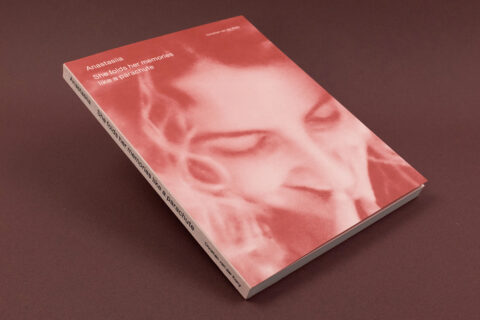
Reconstructing a lovers’ dialogue while Ukraine faced major changes. A reflection on intimacy in times of annexation and information warfare.
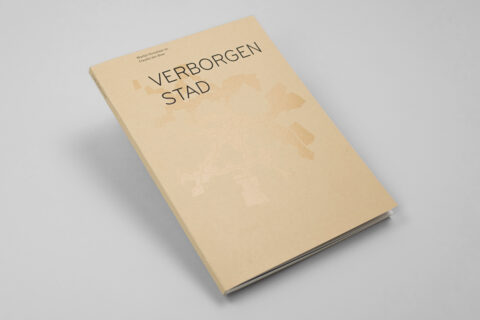
The discovery of a hidden world of open and meaningful spaces when researching the ribbon structure of the city of Tilburg.

A subjective visual narrative that captures the varying social values and disparities located in Panama’s urban environment.